
EU
European Union
Regulation (EC) No 396/2005
Strict MRLs for each pesticide and crop. Where no specific MRL exists, a default limit of 0.01 mg/kg applies.
Pesticide residue testing
We screen your food and agricultural products for 600+ pesticides by LC-MS/MS and GC-MS/MS and compare the results with EU, US, Codex and FSSAI maximum residue limits, so your lot clears the buyer and the border.
Pesticide residue testing lab
Pesticide residue testing is the laboratory measurement of traces of insecticides, fungicides and herbicides left in food or crops, compared with the maximum residue limit (MRL) allowed by the regulator or importing country.
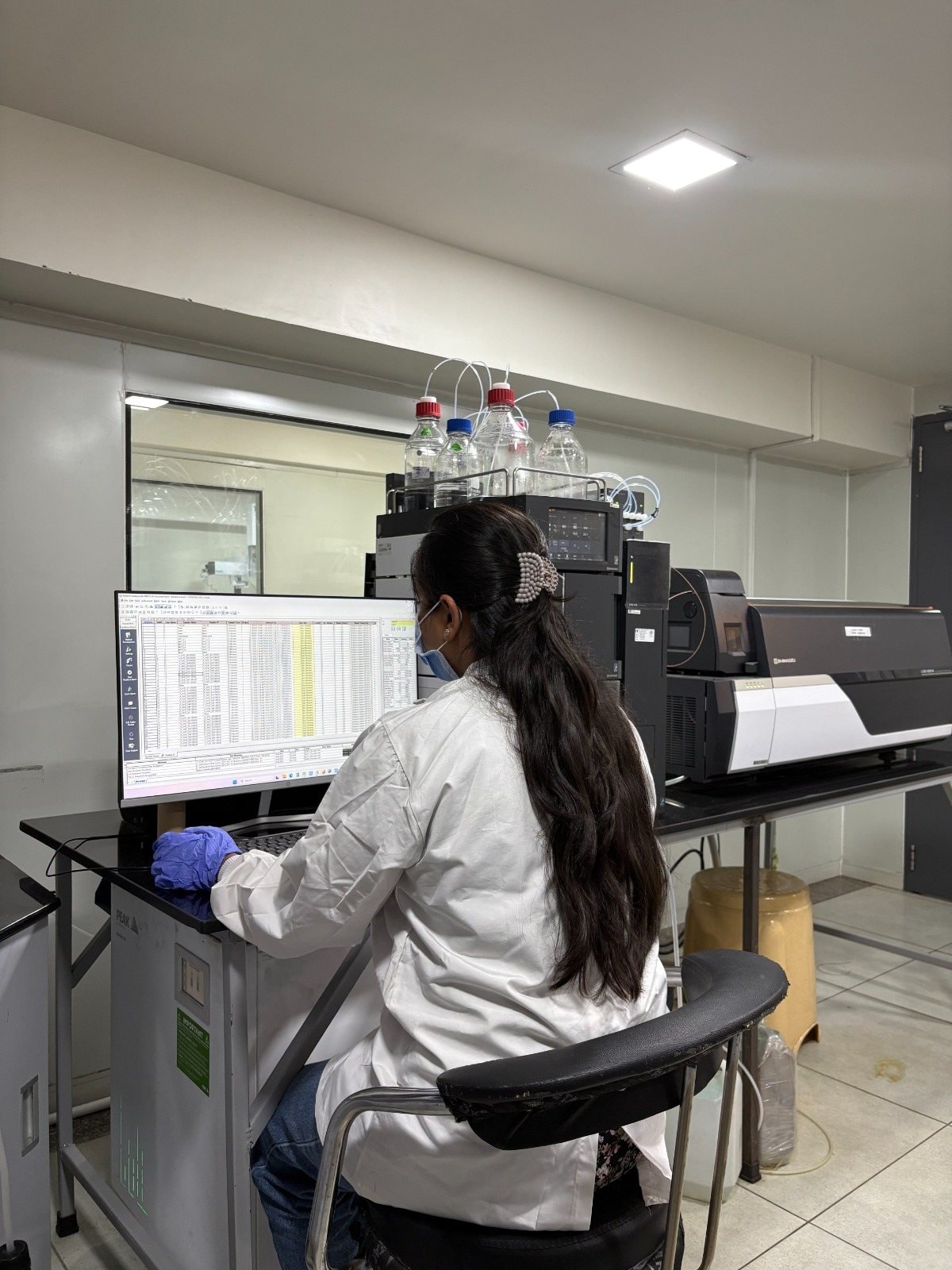
Accurate Universal Laboratories Pvt. Ltd. tests spices, cereals, pulses, oilseeds, fruits, vegetables, tea and processed foods using multi-residue methods on LC-MS/MS and GC-MS/MS. More than 600 pesticide residues are covered in our accredited scope.
Exporters use our MRL test reports and certificates to meet EU, US and Gulf requirements, and food businesses use them to comply with FSSAI limits and buyer specifications.
Shipping a lot soon?
Test residues before the container is loaded, not after a rejection.
Importance of residue analysis
Residues above the limit are the most common reason Indian food exports are rejected or flagged in the EU. Testing each lot before shipment protects your buyer relationships and your reputation.
Testing parameters
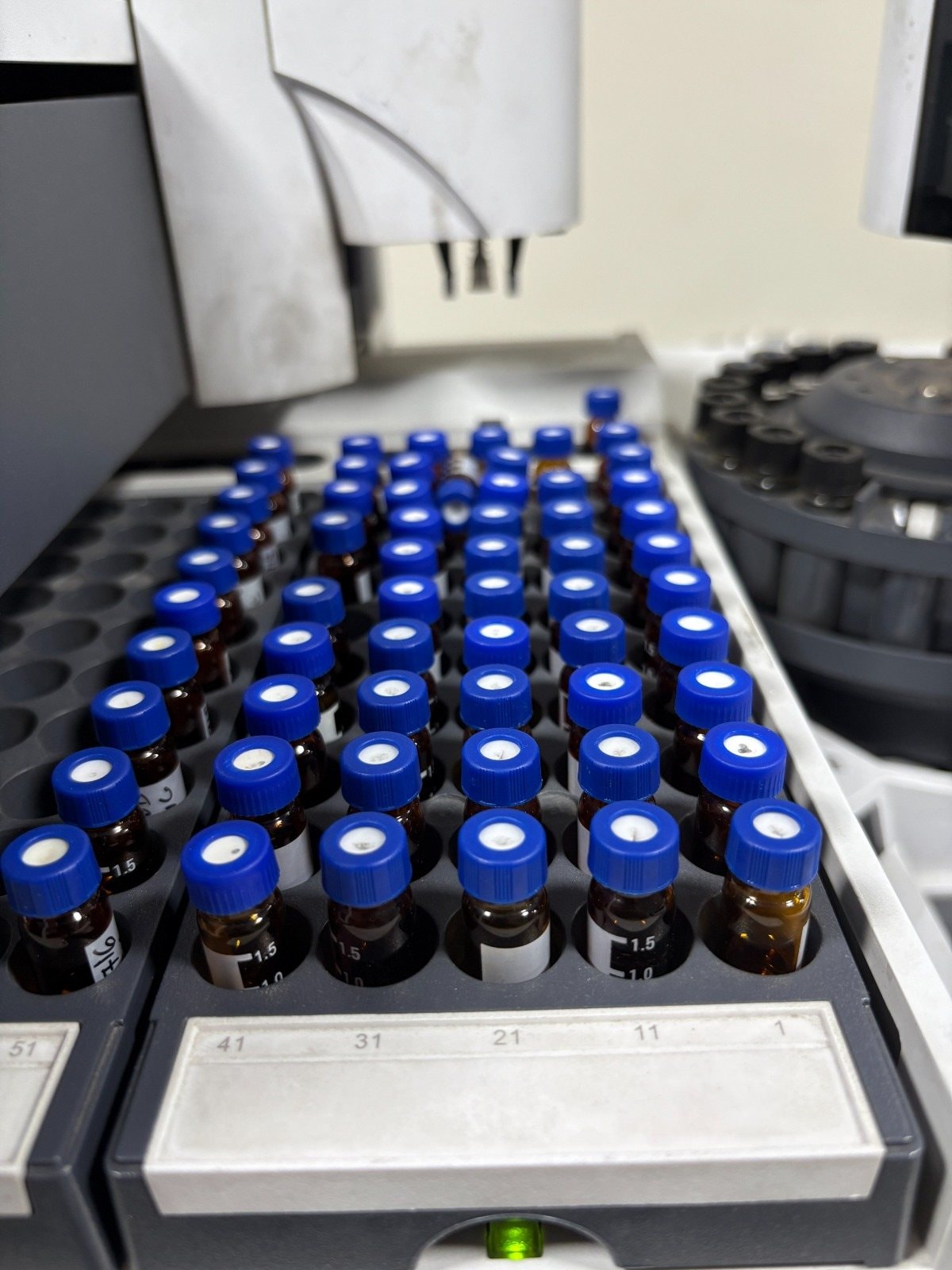
One multi-residue analysis covers all the main pesticide classes. Polar pesticides that need separate methods can be added.
| Test | Why it is needed |
|---|---|
| Organophosphorus Pesticides | Chlorpyrifos, profenofos, quinalphos; widely used with strict EU limits |
| Organochlorine Pesticides | Older persistent compounds that remain in soil and crops |
| Pyrethroid Pesticides | Cypermethrin, lambda-cyhalothrin; common on spices and vegetables |
| Carbamate Pesticides | Carbendazim and related compounds; frequent EU notifications |
| Herbicide Residue Analysis | Weed-control residues in cereals and pulses |
| Fungicide Residue Analysis | Triazoles, tricyclazole and others used in growing and storage |
| Multi-Residue Screening | One test covering hundreds of residues for export lots |
| Polar Pesticide Residue Analysis | Compounds such as glyphosate that need dedicated methods |
| Trace Level Residue Detection | Residues at the very low levels set by EU and other MRLs |
| 600+ Pesticide Residues covered in our Accredited Scope | Broad coverage for export and FSSAI compliance |
Need a specific list for your buyer, such as an EU or Japanese panel? Send it to us and we'll confirm coverage.
Get a quote for pesticide residue testing
Share your product, destination and buyer's list. We'll confirm the panel and price.
MRLs by market
The same lot can pass in one market and fail in another. We report results against the limits of the market you name.
Regulation (EC) No 396/2005
Strict MRLs for each pesticide and crop. Where no specific MRL exists, a default limit of 0.01 mg/kg applies.
EPA tolerances, 40 CFR Part 180
Tolerances are set by the EPA; a residue with no tolerance for that commodity is not permitted.
Contaminants, Toxins and Residues Regulations, 2011
MRLs for pesticides on foods sold in India, used for domestic compliance and FSSAI product testing.
International food standards
Codex MRLs are used by many importing countries that do not set their own limits.
GSO standards
Gulf markets apply their own MRL lists, often referencing Codex and EU values.
How it works
Tell us the product, purpose and market. We recommend the right tests and send a quotation.
Courier a sealed sample to our Ahmedabad or Rajkot laboratory, or book a sample pickup.
Samples are extracted with multi-residue methods and analysed on LC-MS/MS and GC-MS/MS with quality controls.
Results for each detected residue, compared with the MRLs of your chosen market.
Our team explains the results and advises on next steps if a value is out of limit.
Industries we serve
Residue testing matters at every stage, from farm procurement to the export container.
Not sure which MRLs apply?
Tell us your market and we'll report against the right limits.
FAQs
It is the laboratory measurement of pesticide traces left in food or crops, compared with the maximum residue limit (MRL) set by FSSAI or the importing country. It shows whether a lot is safe and legal to sell or export.
A maximum residue limit (MRL) is the highest level of a pesticide residue legally allowed in a food, usually expressed in mg/kg. MRLs are set per pesticide and per crop by regulators such as FSSAI, the EU and Codex.
More than 600 pesticide residues are covered in our accredited scope, analysed by LC-MS/MS and GC-MS/MS. Polar pesticides such as glyphosate need a separate method and can be added on request.
We use multi-residue extraction followed by LC-MS/MS and GC-MS/MS, which can detect and confirm hundreds of pesticides at very low concentrations in a single analysis.
Most importing countries enforce MRLs at the border, and many buyers and export schemes require a residue test report for each lot. Testing before shipment is the best way to avoid rejections.
Systemic pesticides are absorbed inside the plant, so washing only removes residues on the surface. That is why produce must be tested, not just cleaned.
The cost depends on the product and whether you need a full multi-residue screen or specific pesticides. Share your requirement and we will send an itemised quotation.
Yes. Our Ahmedabad laboratory is accredited by NABL to ISO/IEC 17025:2017 (certificate TC-5021) and our Rajkot laboratory under certificate TC-7988. The tests and products covered are listed in our scope of accreditation, and we confirm whether your parameters are within scope before testing.
Still have a question about residue testing?
Talk to our residue chemists about MRLs, methods or a failed result.
Related services
Get a quotation
Tell us the product, destination market and any buyer specification. We'll reply with the right panel, turnaround time and an itemised quotation.
Standards and regulatory references
Standards and limits change; we confirm the current requirements for your product and market at the time of testing.