
CU
Cumin (jeera)
Residues, purity
Pesticide residues against EU MRLs, purity, volatile oil and extraneous matter.
Spices & cumin testing
We test whole and ground spices and masala blends for pesticide residues, ethylene oxide, aflatoxin, ochratoxin, illegal dyes, heavy metals and Salmonella, for export markets and FSSAI.
Spice testing lab
Spices testing is the laboratory analysis of whole and ground spices for pesticide residues, mycotoxins, illegal dyes, heavy metals, microbes and adulterants, to show they are safe, genuine and compliant with FSSAI and export limits.
Spices are among the most frequently rejected Indian food exports, usually for pesticide residues, ethylene oxide, aflatoxin or Salmonella. Gujarat is a major hub for cumin, fennel and coriander, and our Ahmedabad laboratory tests spices for exporters and processors across the state.
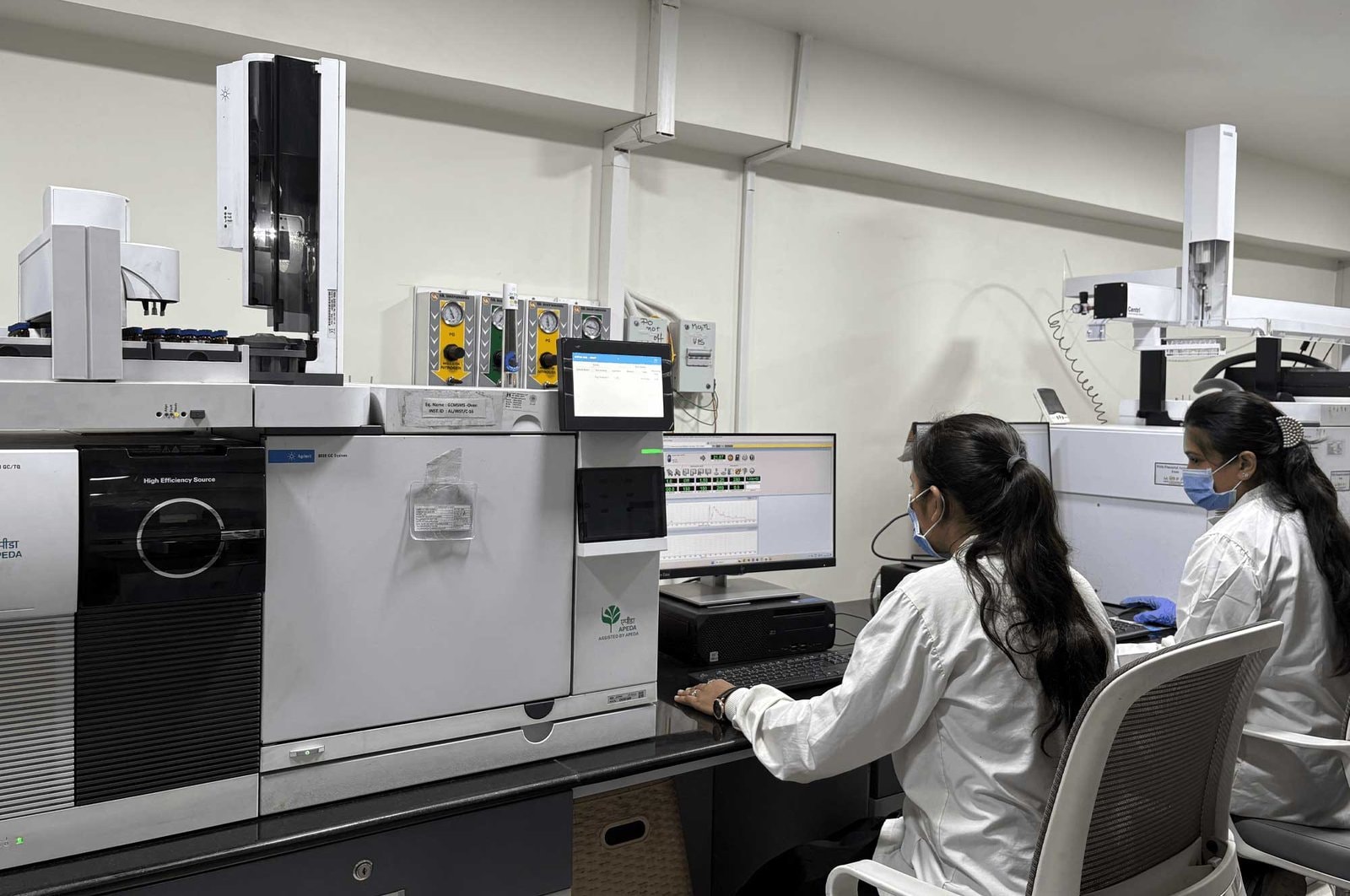
We test cumin, fennel, coriander, chilli, turmeric, black pepper, ginger and masala blends against EU, US, Gulf and FSSAI limits, using LC-MS/MS, GC-MS/MS and ICP-MS.
Shipping spices soon?
Test before the container is sealed, not after a rejection at the port.
Why spices testing matters
Pesticide residues, ethylene oxide, aflatoxin and Salmonella are the main reasons spice shipments are rejected abroad, and adulteration is a major concern in the domestic market.
Testing parameters
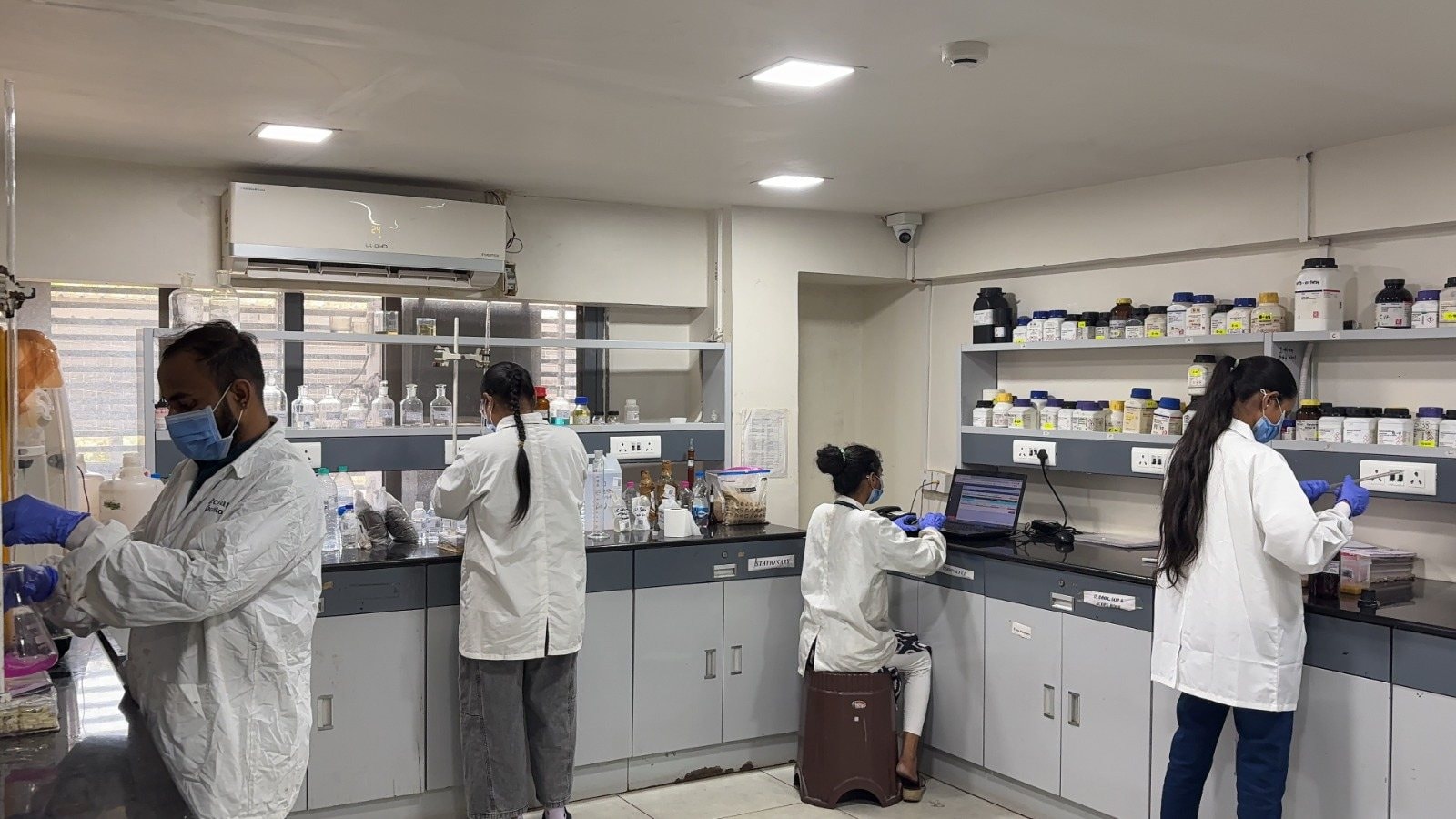
These are the tests most often required for spices, whether exported or sold in India.
| Test | Why it is needed |
|---|---|
| Pesticide residues | Leading cause of EU notifications for cumin, chilli and other spices |
| Ethylene oxide and 2-chloroethanol | Banned fumigant; found in spices and spice blends |
| Aflatoxins | Chilli, nutmeg and ginger are high-risk |
| Ochratoxin A | EU limits apply to chilli, paprika and other spices |
| Sudan dyes and illegal colours | Illegal dyes in chilli and turmeric powders |
| Heavy metals (lead, cadmium, arsenic) | Lead in turmeric is a known import alert |
| Salmonella and microbiology | Pathogen and hygiene checks for export |
| Quality and adulteration | Moisture, ash, acid-insoluble ash, volatile oil and extraneous matter |
Get a quote for spices testing
Share the product, lot size and destination. We'll confirm the tests and send an itemised quotation.
Spices we test
Each spice has its own risks. These are the most common checks for the spices we test most.
Residues, purity
Pesticide residues against EU MRLs, purity, volatile oil and extraneous matter.
Aflatoxin, OTA, dyes
Aflatoxin, ochratoxin A, Sudan dyes and residues in whole and powdered chilli.
Lead, curcumin, colours
Lead and other metals, curcumin content and added colours.
Residues, purity
Pesticide residues, moisture and purity for seeds and powders.
Composite testing
Residues, ETO, micro and adulteration checks on spice mixes.
How it works
Tell us the product, purpose and market. We recommend the right tests and send a quotation.
Courier a sealed sample to our Ahmedabad or Rajkot laboratory, or book a sample pickup.
Residues, mycotoxins, dyes and metals are measured on LC-MS/MS, GC-MS/MS and ICP-MS with quality controls.
Results compared with EU, US, Gulf or FSSAI limits as you choose.
Our team explains the results and advises on next steps if a value is out of limit.
Industries we serve
From whole-seed exporters to masala brands, we test spices for every part of the trade.
Not sure what your buyer needs?
Send us the buyer's specification or destination and we'll build the test plan.
FAQs
Spices are among the most frequently rejected Indian food exports. Pesticide residues, ethylene oxide, aflatoxin, ochratoxin, illegal dyes and Salmonella are the main reasons. Testing before shipment helps you avoid rejections.
Pesticide residues against the destination's MRLs are the most important, along with purity, moisture, volatile oil and any tests in your buyer's specification, such as ethylene oxide or Salmonella.
Yes. We test chilli and other spice powders for Sudan dyes and other illegal colours by LC-MS/MS.
Lead has been found in some turmeric and spice products, often from added colours, leading to import alerts and recalls. We measure lead and other metals by ICP-MS.
Laboratory tests such as moisture, total and acid-insoluble ash, volatile oil, extraneous matter and colour analysis reveal common adulterants like starch, sand, husk and dyes.
The cost depends on the spice and the tests required. Share your requirement and we will send an itemised quotation.
Yes. Our Ahmedabad laboratory is accredited by NABL to ISO/IEC 17025:2017 (certificate TC-5021) and our Rajkot laboratory under certificate TC-7988. The tests and products covered are listed in our scope of accreditation, and we confirm whether your parameters are within scope before testing.
Still have a question about spices testing?
Talk to our export testing team about limits, sampling or a failed result.
Related services
Get a quotation
Tell us the spice, destination and buyer specification. We'll reply with the right tests and an itemised quotation.
Standards and regulatory references
Standards and limits change; we confirm the current requirements for your product and market at the time of testing.