
EU
European Union
Regulation (EC) No 1829/2003
GM food and feed must be authorised and labelled; adventitious presence of authorised GM material up to 0.9% per ingredient does not need GM labelling.
GMO testing
We test food, grains, oilseeds, seeds and cotton for genetically modified DNA using real-time PCR, and issue non-GMO test reports that support your export documents and buyer requirements.
GMO testing lab
GMO testing is the laboratory detection of genetically modified DNA in a food, grain, seed or cotton sample, usually by real-time PCR, to confirm whether a product is GMO-free or how much GM material it contains.
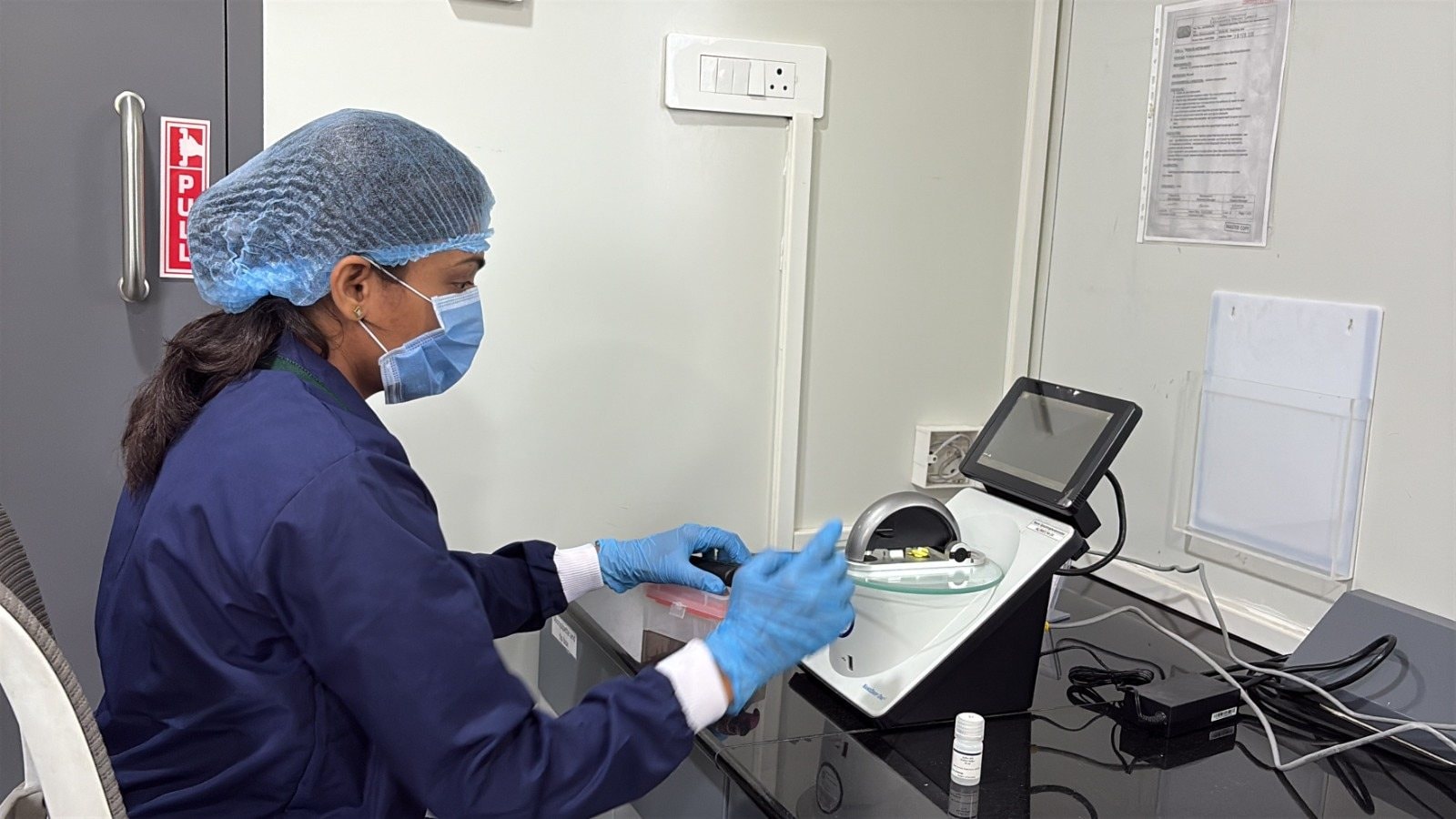
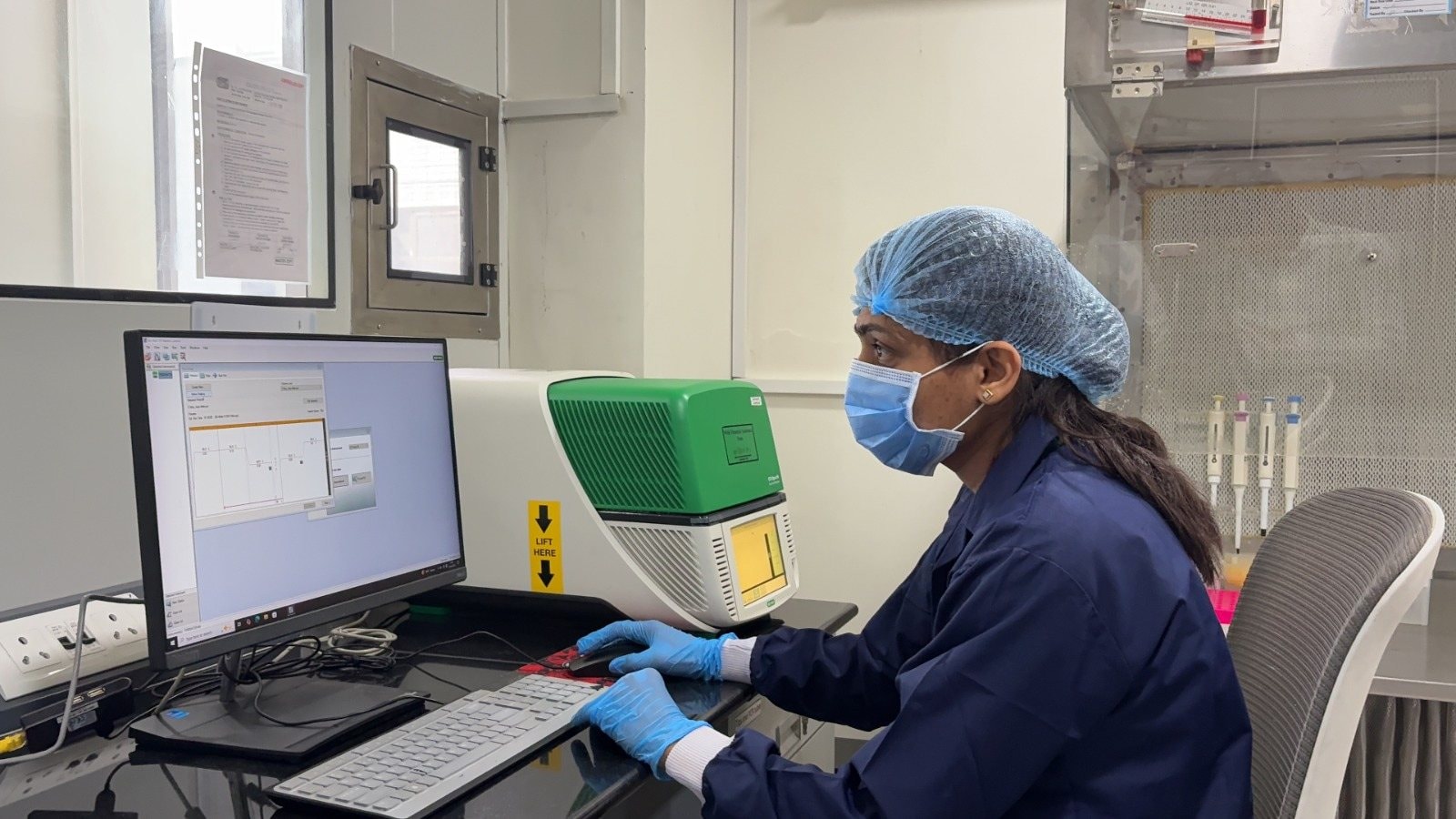
Accurate Universal Laboratories Pvt. Ltd. performs GMO analysis on food products, soy, maize, rice, oilseeds, seeds, cotton and processed ingredients in our molecular biology section. DNA is extracted from the sample and tested by real-time PCR for common GM markers and specific GM events.
Exporters use our non-GMO test reports for EU and organic buyers, and food and seed businesses use them to verify suppliers and support non-GMO claims.
Buyer asking for a non-GMO report?
Get a PCR test report for your lot before shipment.
Importance of GMO analysis
Many importing countries and organic schemes require proof that a product is GMO-free or below a labelling threshold. A PCR test report is the evidence buyers and regulators accept.
Testing parameters
A typical GMO analysis starts with a screening test and moves to event-specific or quantitative tests when needed.
| Test | Why it is needed |
|---|---|
| GMO Screening | Detects common GM elements such as the 35S promoter and NOS terminator |
| Qualitative GMO Analysis | Positive or negative result for GM material |
| Quantitative GMO Analysis | Percentage of GM material, needed for labelling thresholds |
| Event-Specific Detection | Identifies which GM event is present |
| DNA Extraction & Analysis | Confirms usable DNA is present, essential for processed foods |
| PCR-Based GMO Testing | Sensitive detection of GM DNA |
| GMO Identification in Food Products | GM status of soy, maize, rice and processed foods |
| GMO Detection in Cotton & Agricultural Samples | Bt and other events in cotton, seeds and crops |
Highly refined products such as oils and sugars may contain little or no DNA, which can limit testing. Ask us before sending such samples.
Get a quote for GMO testing
Share the product, destination and the test your buyer needs.
GMO rules by market
Requirements vary by destination and certification scheme. These are the most common drivers.
Regulation (EC) No 1829/2003
GM food and feed must be authorised and labelled; adventitious presence of authorised GM material up to 0.9% per ingredient does not need GM labelling.
NPOP, EU and US organic
Organic production does not allow GMOs, so buyers often ask for a non-GMO test report with each lot.
GEAC and FSSAI
Bt cotton is the main GM crop commercially grown in India; GM food requires regulatory approval.
Non-GMO programmes
Many food brands require non-GMO verification of soy, maize and other ingredients from their suppliers.
How it works
Tell us the product, purpose and market. We recommend the right tests and send a quotation.
Courier a sealed sample to our Ahmedabad or Rajkot laboratory, or book a sample pickup.
DNA is extracted and tested by real-time PCR with positive, negative and reference controls.
A clear GMO result for each test, with quantification where requested.
Our team explains the results and advises on next steps if a value is out of limit.
Industries we serve
GMO testing matters wherever buyers or regulators need proof of a product's genetic status.
Not sure which GMO test you need?
Tell us your product and market and we'll recommend the right test.
FAQs
GMO testing detects genetically modified DNA in food, grain, seed or cotton samples. DNA is extracted and tested by real-time PCR for common GM elements and specific GM events, and the amount can be quantified if needed.
DNA is extracted from the sample and amplified by real-time PCR. A screening test looks for common GM elements such as the 35S promoter and NOS terminator; positive samples can then be tested for specific events or quantified.
It is a laboratory report showing that GM material was not detected in the sample, or was below a stated level. Exporters use it to meet EU, organic and buyer requirements.
Bt cotton is the main GM crop commercially grown in India. GM food products need approval under Indian regulations, so food businesses and importers may need to verify the GM status of ingredients.
Exporters supplying the EU and organic buyers, cotton and oilseed traders, seed companies and food brands with non-GMO claims commonly need GMO testing.
The cost depends on whether you need screening only, event identification or quantification. Share your requirement and we will send an itemised quotation.
Yes. Our Ahmedabad laboratory is accredited by NABL to ISO/IEC 17025:2017 (certificate TC-5021) and our Rajkot laboratory under certificate TC-7988. The tests and products covered are listed in our scope of accreditation, and we confirm whether your parameters are within scope before testing.
Still have a question about GMO testing?
Talk to our molecular biology team.
Related services
Get a quotation
Tell us the product, destination market and the test your buyer requires. We'll reply with the right test and an itemised quotation.
Standards and regulatory references
Standards and limits change; we confirm the current requirements for your product and market at the time of testing.