
AT
Atta and maida
Quality
Moisture, gluten, ash and acid-insoluble ash.
Flour & pulses testing
We test wheat flour, maida, sooji, besan, millet flours and pulses for quality, adulteration, contaminants and microbiology against FSSAI standards and buyer specifications.
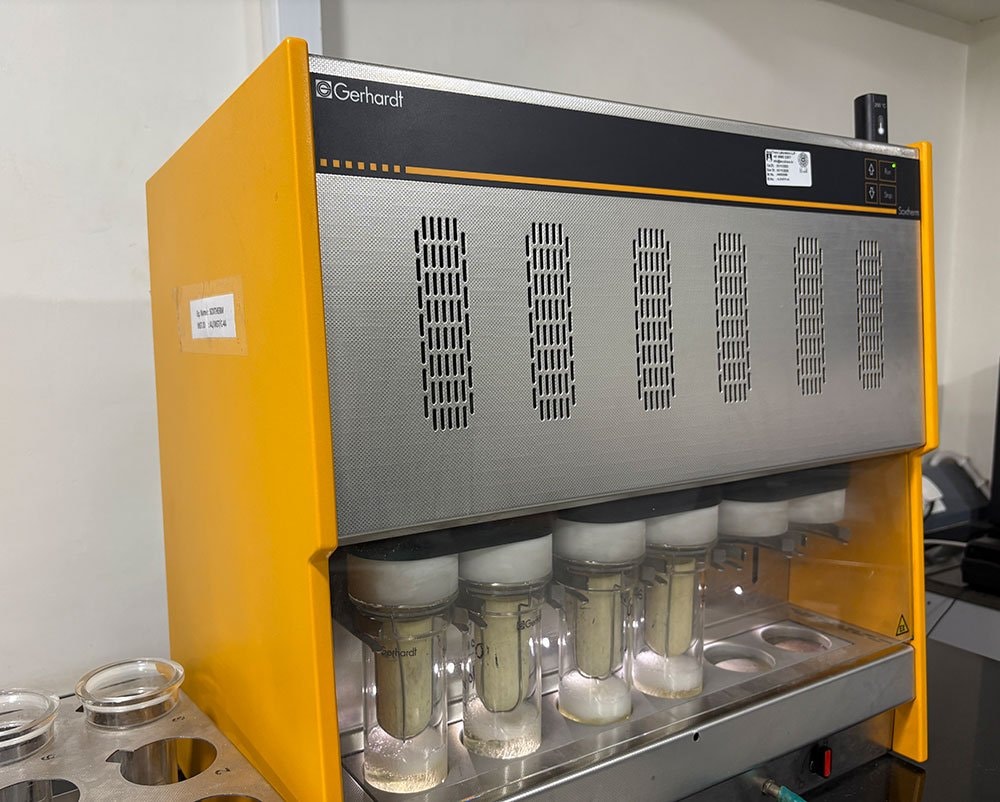
Flour testing lab
Flour and pulses testing is the laboratory analysis of flours and pulses for quality parameters such as moisture, gluten and ash, adulterants and colours, contaminants and microbiology, to show they meet the FSSAI standard.
Flours and pulses are everyday staples, and they are sometimes adulterated with cheaper flours, added colours such as metanil yellow, or sand and husk. Poor storage also leads to insect damage, mould and mycotoxins.
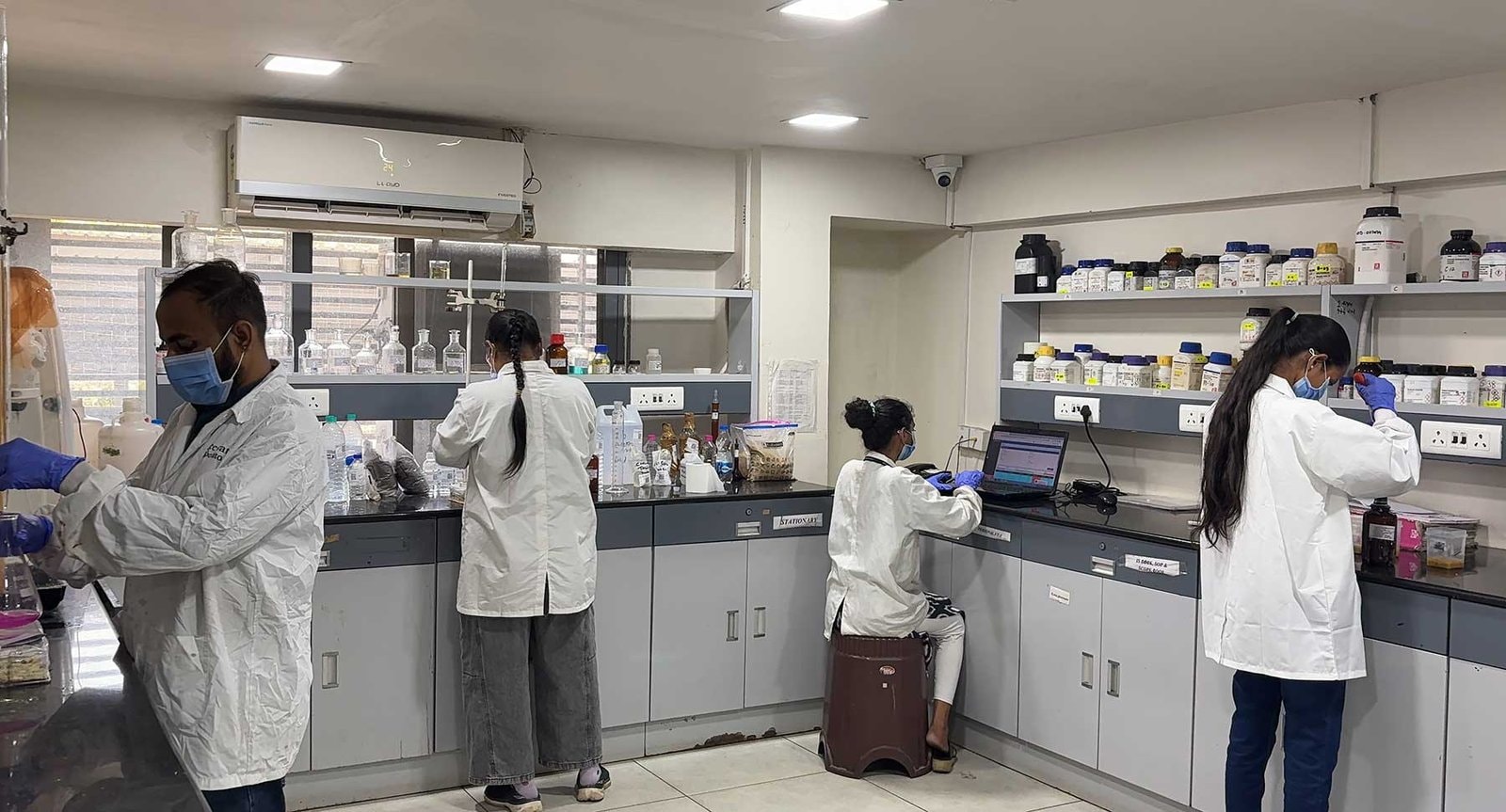
Accurate Universal Laboratories Pvt. Ltd. tests atta, maida, sooji, besan, millet flours and pulses for flour mills, dal mills and food brands.
Need flour or dal tested?
Tell us the product and purpose and we'll recommend the right tests.
Why testing matters
Consumers eat flour and dal every day, so even small quality or safety problems matter. Testing proves quality and catches adulteration early.
Testing parameters
These are the tests most often required for flours and pulses.
| Test | Why it is needed |
|---|---|
| Moisture | Storage stability and mould risk |
| Gluten (wet and dry) | Baking quality of wheat flours |
| Total and acid-insoluble ash | Purity; high values indicate sand or bran |
| Protein and fat | Composition and quality |
| Uric acid and insect damage | Infestation during storage |
| Added colours | Metanil yellow and other illegal colours |
| Pesticide residues and mycotoxins | Contaminant limits |
| Microbiology | Yeast, mould and hygiene indicators |
Get a quote for flour or dal testing
Share your product, standard or specification. We'll confirm the tests and send an itemised quotation.
Products we test
Each product has its own FSSAI standard.
Quality
Moisture, gluten, ash and acid-insoluble ash.
Purity
Adulteration and colour checks.
Quality and colours
Moisture, damage, colours and residues.
Quality
Composition and quality.
How it works
Tell us the product, purpose and market. We recommend the right tests and send a quotation.
Courier a sealed sample to our Ahmedabad or Rajkot laboratory, or book a sample pickup.
Quality, adulterant, contaminant and microbiological tests are carried out with quality controls.
Results compared with the FSSAI standard or your specification.
Our team explains the results and advises on next steps if a value is out of limit.
Industries we serve
We test flours and pulses for producers and users.
Not sure which parameters apply?
We'll map the FSSAI standard or buyer specification for your product.
FAQs
Moisture, gluten, total and acid-insoluble ash, protein, uric acid and microbiology are common tests, along with residues and mycotoxins when required.
Laboratory tests detect added colours such as metanil yellow, foreign matter and admixture with cheaper pulses.
Tests for added colours, ash and acid-insoluble ash and composition reveal common adulterants.
The cost depends on the product and parameters. Share your requirement and we will send an itemised quotation.
Yes. Our Ahmedabad laboratory is accredited by NABL to ISO/IEC 17025:2017 (certificate TC-5021) and our Rajkot laboratory under certificate TC-7988. The tests and products covered are listed in our scope of accreditation, and we confirm whether your parameters are within scope before testing.
Still have a question about flour or dal testing?
Talk to our food testing team about parameters, limits or results.
Related services
Get a quotation
Tell us the product and what you need to check. We'll reply with the right tests and an itemised quotation.
Standards and regulatory references
Standards and limits change; we confirm the current requirements for your product and market at the time of testing.